
The Integration Lab
A guide

The Integration Lab:

I remember reaching the point in my work where I realized something slightly uncomfortable: most people I was supporting didn’t need my insight. At first it was uncomfortable but then I realized that it also mean that my clients weren’t confused, they weren’t unaware, they weren’t even blocked in the way we usually mean. They all were so informed, very reflective, and deeply self-aware.. but they were still stuck. I realize now that it was easy to spot because I was feeling the exact same way.
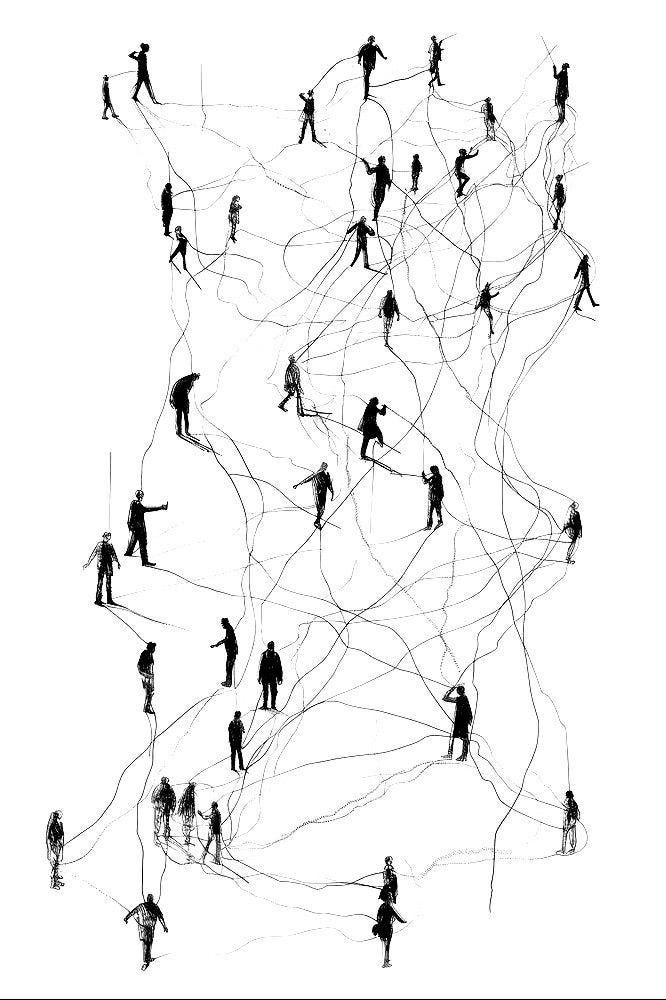
I spent years accumulating knowledge from mentors and guides, I held client experiences and practices for years, deepening my language, understanding and techniques. What I realized is that there is a river between knowing and living. We’re taught how to uncover, how to heal, how to understand what’s happening, but it’s rare that we’re taught how to use that to move forward. It’s expected that we’ll feel out how to use all of our tools. Integration looks like subtle shifts in how you respond, how you move through ordinary moments, and how you respond to daily life. The mundane is your integration mirror.
What integration actually is (and isn’t)
Integration is: the process of allowing what you already know to change how you live. This is shown in how we use our insight to create behavioral changes, how we use our awareness to help our decision-making, and creating change that feels more stable than chaotic. Integration is moving beyond the learning process and into the applying process to live-test what will be foundational to your journey moving forward. As a professional in the wellness industry, I find the confusion with integration often looks like optimizing routines, adding more tools, or simply doing a whole lot of nothing that ends up feeling like a chore. If you’ve ever felt like you’ve been learning the same lesson or coming across the same block or hurdle, it’s usually because the integration process is non-existent. So while you may have understood the lesson, what you did with the information after needed deeper integration. I’ve guided myself out of this spiral and through observing my own experience and those of my client’s, I’ve come up with a guide that will help you integrate seamlessly.
Step One: Identify your Flex-end

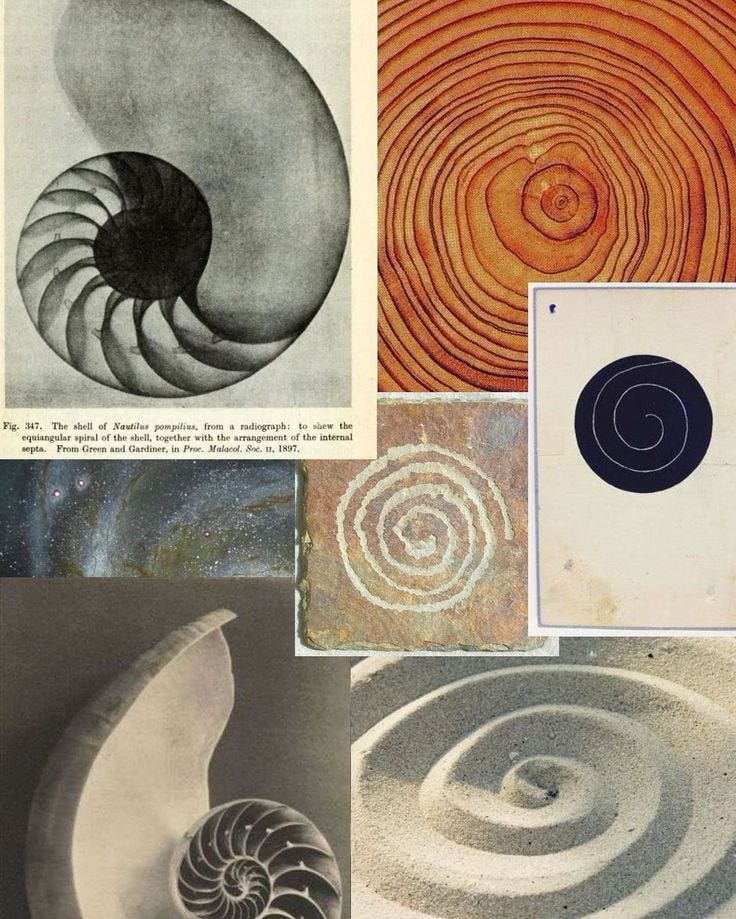
A Flex-end is a flexible end-goal. I created this term because we often look at end goals as the end of the journey, however when we get there we realized that we have to continue maintaining and often that very maintenance can shift our previous end goal into an entirely new one. Growth is in the form of a spiral which defeats the purpose of integrating toward a goal. When we start with a flexible end (a direction, state, or capacity you’re moving toward) without attaching yourself to that specific outcome.
To start, ask yourself:
What feels like the next phase, even if I can’t explain it yet?
What would feel supportive to move toward, rather than something to achieve?
What am I clearly done orienting my life around?
Examples:
More steadiness, not “a calmer life”
Clearer self-trust, not “the right decision”
Spaciousness, not “better time management”
Write this down. Keep it loose. This is simply orientation and not a commitment.
Step Two: Live Experiments

A big misstep in this process is the attempt to refine it into perfection before starting. This becomes the quickest way to turn this guide into another piece of information you just digest. In order to shift out of that engrained process, we start with small, live experiments. This means that for a few days we’ll take something we want to integrate to gather information. If you forget, that’s more information. If you resist, you’re learning there too. The live experiments carry freedom because they’re just asking you to try. For the next few days:
Make one small choice per day as if the flexible end were already true
Don’t overhaul your life adjust one moment
Notice what feels lighter, heavier, or resistant
Step Three: Data Collection

Data Collection is about observation. Your role is that of the observer — you’re not to judge, you’re only to take note. Something to remember in this step of the process is that most people interpret resistance or friction as failure. When you run into that friction, it’s usually telling you that the pacing is too fast, the practice doesn’t actually fit in your real life, or the shift is way to ahead of your nervous system’s capacity. I know we often see these challenges and push harder (guilty here too) but what I’ve learned is that a smoother approach can be asking ourselves:
What part of this feels unrealistic?
What feels misaligned rather than difficult?
What would make this 10% more livable?
Integration stabilizes through adjustment as opposed to force. This is also why we tend to focus less on what the end goal looks like rather than how it shows up in our mundane, day-to-day life.
Step Four: Design something you can actually live with
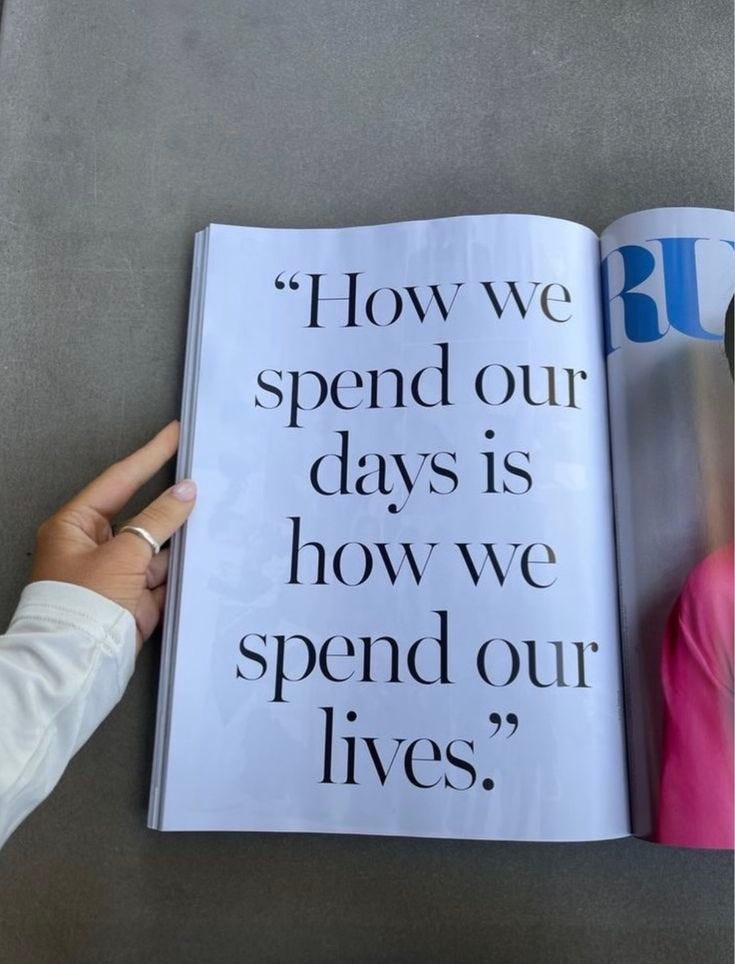
I can guarantee you probably don’t need another routine in your life. What actually helps integration is having something you can respond through as things shift. Instead of overhauling your day, pick one consistent moment in your life that already exists where you can practice noticing and adjusting. Choosing something that you already do will help build awareness, observation skills, and response time. The simpler you allow it to be and the more grace you give yourself, the better.
For this week, choose one of the following:
How you start your day
A brief pause before making decisions
The transition between work and rest
How you respond when you notice old patterns
Keep it simple and let it be imperfect. The goal isn’t consistency for its own sake. It’s building a working relationship with yourself as you change to be able to notice when something fits, when it doesn’t, and adjusting accordingly.
Step Five: Compass Movements

Imagine yourself holding a compass and needing to go north. As you move north, you don’t want your compass needle moving about, you hope it remains steady. The same goes with integration. We’re not looking for the feel good in every second, but we’re looking for stability.
Signs it’s working:
Less internal debate
Fewer restarts
More quiet confidence
Decisions feel simpler, even when they’re not easy
If you notice subtle shifts, that’s the work working. Again, this doesn’t mean push harder or change the end goal, it means ‘let’s maintain this and see what happens.’
A final note
As a consultant and coach who works on forward-facing healing, I can promise you that you don’t need to go back and heal everything or create yet another identity or get anymore advice. You’re more than likely already in an integration process that needs a lil push to work through consciously. If this guide resonates, I’ll be hosting a small Integration Group Coaching container beginning mid-to-late March. It’s a four-week space for people ready to apply what they already know into daily life, decisions, and identity. Spots will be limited and I’ll be sharing more details soon.
For now, start where you are.
- all images found on Pinterest -
You are literally BRILLIANT!!!! wtf?!! I love this article and how your brain works. You’re amazing.
I’ve already shared this article with half a dozen people. This is both reflective, and powerful. Been sitting in it for days. So much love to you!